


How to Create a Hiding Spot in a DIY Cat Bed Made of Wood
As a supplier of Diy Cat Bed Wood, I've witnessed firsthand the joy and satisfaction that comes from creating a unique and functional space for our feline friends. Cats are natural hunters and explorers, and they often seek out cozy, secluded spots where they can feel safe and secure. A DIY wooden cat bed with a hiding spot is the perfect solution, combining the warmth and comfort of a bed with the privacy and security that cats crave.
Materials and Tools
Before you begin, gather the following materials and tools:
- Wood: Choose a high-quality, untreated wood such as pine, cedar, or oak. Avoid using pressure-treated wood, as it may contain chemicals that are harmful to cats.
- Screws and nails: Use appropriate screws and nails to assemble the cat bed. Make sure they are the right size and length for the wood you are using.
- Wood glue: This will help strengthen the joints and ensure a sturdy construction.
- Saw: A handsaw or a power saw can be used to cut the wood to the desired size.
- Drill: A drill is necessary for making holes for screws and for attaching hardware.
- Sandpaper: Sand the wood to smooth the edges and prevent splinters.
- Measuring tape: Accurate measurements are crucial for a well-fitting cat bed.
- Pencil: Use a pencil to mark the wood before cutting.
- Stain or paint: Optional, but can be used to protect the wood and add a decorative touch.
Design Considerations
When designing your DIY cat bed with a hiding spot, consider the following factors:
- Size: The size of the cat bed should be appropriate for your cat's size and age. Make sure there is enough room for your cat to stretch out, turn around, and curl up comfortably.
- Shape: You can choose from a variety of shapes, such as rectangular, square, or circular. Consider the available space in your home and your cat's preferences when selecting a shape.
- Hiding Spot: The hiding spot should be large enough for your cat to enter and exit easily, but small enough to provide a sense of security. You can create a hiding spot by adding a covered area or a tunnel to the cat bed.
- Accessibility: Make sure the cat bed is easily accessible for your cat. You can add a ramp or steps to make it easier for your cat to climb in and out of the bed.
- Ventilation: Proper ventilation is important to prevent the buildup of heat and moisture inside the cat bed. You can add small holes or vents to the sides or back of the hiding spot to improve air circulation.
Step-by-Step Construction
Now that you have gathered the materials and considered the design, it's time to start building your DIY cat bed with a hiding spot. Follow these steps:
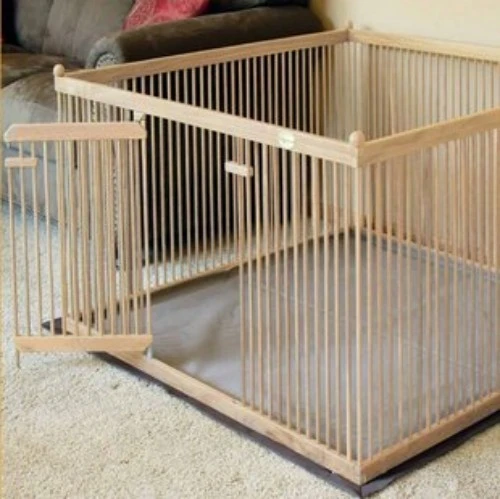

- Cut the Wood: Use a saw to cut the wood to the desired size and shape. Refer to your design plans for the specific measurements.
- Assemble the Frame: Use screws and wood glue to assemble the frame of the cat bed. Make sure the joints are tight and secure.
- Attach the Sides: Attach the sides of the cat bed to the frame using screws and wood glue. Make sure the sides are level and flush with the frame.
- Create the Hiding Spot: If you are adding a covered area or a tunnel to the cat bed, cut the wood to the appropriate size and shape. Attach the hiding spot to the cat bed using screws and wood glue.
- Add a Roof or Lid: If you want to provide additional privacy and security, you can add a roof or lid to the hiding spot. Use hinges to attach the roof or lid to the cat bed, making it easy for your cat to open and close.
- Sand the Wood: Use sandpaper to smooth the edges and surfaces of the wood. This will prevent splinters and make the cat bed more comfortable for your cat.
- Stain or Paint (Optional): If you want to protect the wood and add a decorative touch, you can stain or paint the cat bed. Make sure to use a non-toxic stain or paint that is safe for cats.
- Add Bedding: Once the cat bed is complete, add a soft and comfortable bedding material, such as a blanket or a pillow. Your cat will appreciate the extra warmth and comfort.
Tips and Tricks
- Use a Template: If you are not confident in your woodworking skills, you can use a template to guide you through the construction process. There are many free templates available online that you can print and use as a guide.
- Add a Cushion: To make the cat bed even more comfortable, you can add a cushion or a pad to the bottom of the bed. This will provide extra support and softness for your cat.
- Make it Portable: If you want to be able to move the cat bed around your home, you can add wheels or casters to the bottom of the bed. This will make it easy to clean and rearrange your furniture.
- Personalize the Cat Bed: You can add your cat's name or a decorative element to the cat bed to make it more unique and special. This will also help your cat feel more at home in its new bed.
Other Wooden Pet Products
In addition to DIY cat beds, we also offer a range of other wooden pet products, such as Wooden Dog Pen Indoor and Timber Dog Crate. These products are made from high-quality wood and are designed to provide a safe and comfortable environment for your pets.
Contact for Purchase
If you are interested in purchasing our Diy Cat Bed Wood or any of our other wooden pet products, please feel free to contact us for more information and to discuss your specific needs. We are committed to providing our customers with the highest quality products and excellent customer service.
References
- "The Cat Owner's Manual" by Linda P. Case
- "Woodworking for Beginners" by Popular Mechanics
- Online woodworking forums and communities for additional tips and inspiration.